
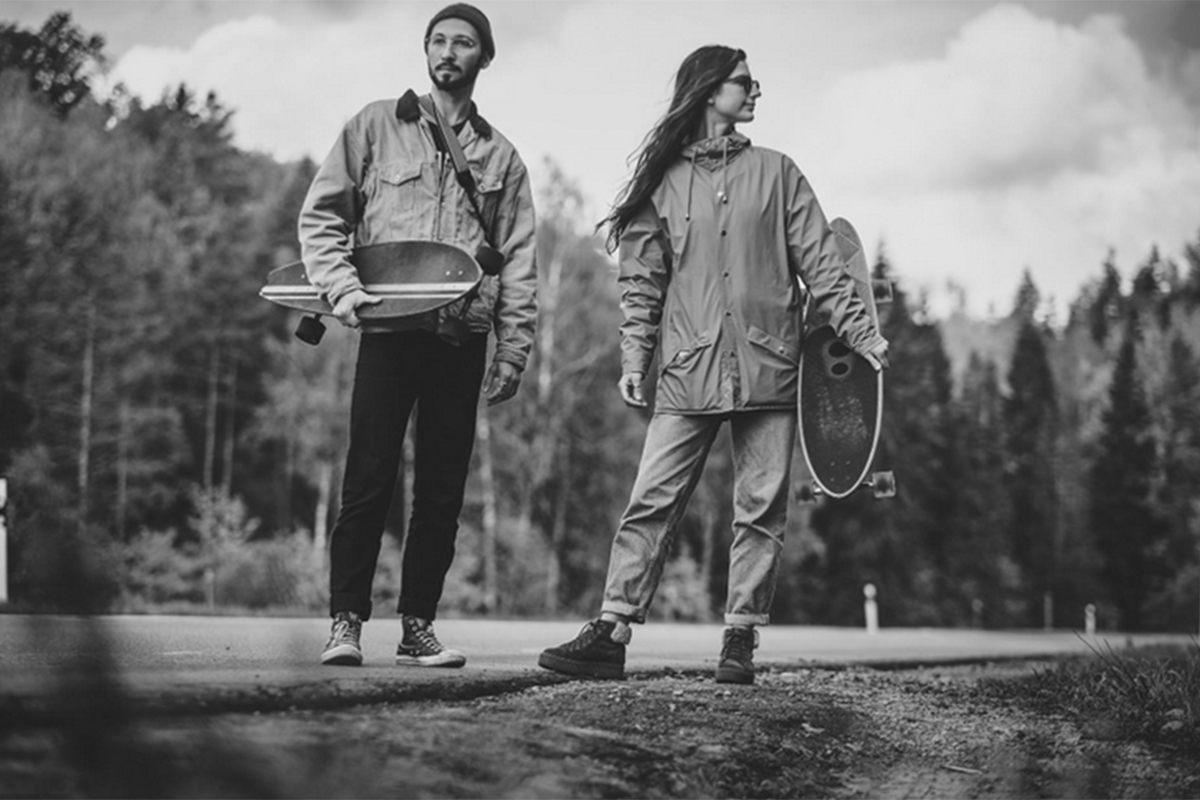
Skateboarding as an adult can be incredibly rewarding—both physically and mentally. Many people pick it up in childhood or adolescence, only to step away due to college, career demands, injuries, accidents, or family life. In recent years, however, more adults are returning to the board, finding joy in land paddling down streets, hitting skateparks, or mastering tricks they once thought impossible. Some even choose to accelerate their comeback by enrolling in skateboarding lessons with a local skateboard instructor.
This article discusses the challenges, benefits, preparation, training tips, safety measures, mindset shifts, and community aspects of skateboarding as an adult returning after time away.
Table of Contents
- Why Are Adults Returning to Skateboarding
- Physical Preparation for Returning Adults
- Skateboarding Technique Refresher
- Safety Gear Is Not Optional
- Mindset & Mental Approach
- Skateparks, Streets & Where to Ride
- Community & Social Support
- Injury Prevention & Recovery
- Realistic Expectations & Rewards
- Final Thoughts
Why Are Adults Returning to Skateboarding?
Several trends and personal motivations drive adults back to skateboarding:
1. Nostalgia & Personal Fulfillment
People often look back fondly on childhood hobbies and want to re-engage with activities that once made them feel alive and free.
2. Fitness & Well-Being
Skateboarding offers full-body movement and cardiovascular exercise in a fun, engaging way, making it a refreshing alternative to gyms or traditional workouts. It helps reduce stress while improving focus, coordination, and balance.
3. Community & Social Connection
Skate scenes have matured, creating welcoming, mixed-age groups where adults and younger skaters support and push one another. Many adults reconnect through group skateboarding lessons or local meetups.
4. Creative Expression
Skateboarding isn’t just exercise—it’s an expressive movement form with room for innovation and personal style. Skaters often customize their boards with graphics, graffiti, and initials, while skateparks showcase street art, DIY builds, and punk aesthetics.
Physical Preparation for Returning Adults
Evaluate Physical Readiness
Adults often have less flexibility, slower reflexes, and past injuries to consider. If you’ve experienced significant injuries or long periods of inactivity, consider speaking with a physician, physical therapist, or a local skateboard instructor before returning to the board.
Stretching & Mobility Work
Improving hip, ankle, and shoulder mobility greatly enhances balance and fall tolerance. Start with gentle daily routines such as yoga, dynamic leg swings, and ankle circles to build resilience.
Build Strength & Balance
Leg strength, core stability, and balance are essential before restarting skateboarding. Exercises like squats, lunges, planks, single-leg stands, and balance board training help improve stability and reduce injury risk.
Skateboarding Technique Refresher
1. Start Slow
Reacquaint yourself with the fundamentals:
- Pushing and rolling smoothly
- Stopping confidently using foot braking
- Turning and carving with control
Never rush into tricks until the basics feel solid. Many returning adults benefit from structured skateboarding lessons that focus on fundamentals.
2. Relearn Stance & Foot Placement
Even experienced skaters may find that balance and foot placement feel different after time away. Practice your stance on soft surfaces like grass or carpet before moving to concrete.
3. Basic Tricks for Warm-Up
Focus on:
- Ollies (the foundation of many tricks)
- Manuals (balance control)
- Drop-ins and ramps only when fully comfortable
Beginner
Skateboarding Tips
Learn More >>
Slow, mindful practice—or guidance from a local skateboard instructor—builds confidence far more effectively than rushing progress.
Safety Gear Is Not Optional
The adult body heals differently and takes longer to recover than it did in youth. Adult skaters are more prone to wrist, ankle, and lower back injuries. Proper protective gear significantly reduces injury risk. Helmets, wrist guards, knee and elbow pads, padded shorts, and quality skate shoes are essential. Investing in good gear supports both confidence and long-term skating health.
Complete List
Skateboard Protective Gear for Adults
View Now >>
Mindset & Mental Approach
Progress is incremental, and small wins matter. Be realistic about your return to skateboarding. Short-term goals such as “kick-turn comfortably” or “ride ramps without stopping” are far more sustainable than aiming immediately for advanced tricks. Fear of falling can create self-doubt, but joining skate communities or taking skateboarding lessons helps rebuild confidence and motivation.
Skateparks, Streets & Where to Ride
Choosing the right environment is key to a successful return.
Skateparks
- Ideal for structured practice
- Suitable for all skill levels
- A great place to meet others and learn from experienced skaters or instructors
Streets & Smooth Pavements
- Perfect for cruising and confidence-building
- Less pressure than skateparks
- Ideal for carving and pushing drills
Find Your Spots
Look for smooth concrete paths, empty parking lots, or dedicated skate plazas.
Community & Social Support
Group Sessions
Joining local skate communities or meetups can be highly motivating. Adult learners are more common than many realize. Facebook groups, subreddits, Telegram channels, and YouTube tutorials are valuable resources for finding meetups and learning new skills.
Private Lessons
If budget allows, working with a local skateboard instructor through private skateboarding lessons can fast-track progress, reduce frustration, and improve technique. Personalized feedback often helps adults reach their goals faster and with greater confidence.
Injury Prevention & Recovery
Adults are more prone to wrist fractures, ankle sprains, tendonitis, lower back pain, and knee injuries. Proper warm-ups and cool-downs are essential. Aim for 10–15 minutes of dynamic warm-up before every session, including leg swings, hip circles, and ankle rotations. Stretching afterward helps reduce muscle soreness.
Recovery Practices
Every skater should be familiar with the PRICE protocol:
- Protect the injured area
- Rest to allow healing
- Apply Ice to reduce swelling
- Use Compression with a bandage
- Elevate the injured limb
Realistic Expectations & Rewards
Returning to skateboarding as an adult is less about landing every trick and more about:
- Rediscovering joy in movement
- Improving fitness without monotony
- Finding community and creative flow
- Regaining confidence and resilience
You don’t need to be the best—you just need to keep moving.
How to set
your Skateboarding Goals
Learn More>>
Final Thoughts
Skateboarding after time away is an exciting challenge that blends physical activity, creativity, and mental resilience. With patience, preparation, community support, and the guidance of a local skateboard instructor or structured skateboarding lessons, adults can not only return to skateboarding but thrive with purpose and joy.
Author Bio: Duncan MacNally is an active skateboarder and writer for GOSKATE.