
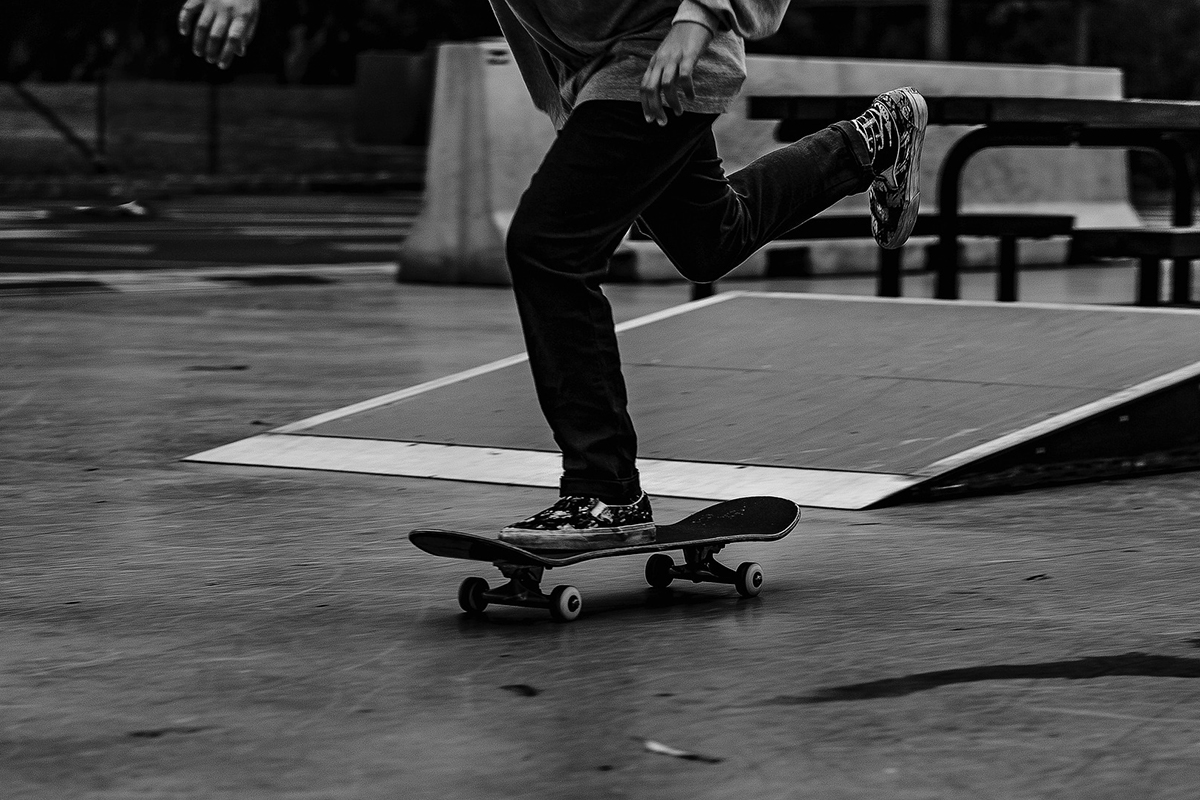
You’ve been away from skateboarding for a long time.
Then one day you step back on the board.
The first push feels incredible. The sound of wheels rolling across pavement is like music. Your balance slowly starts coming back, and that old sense of freedom you remember from years ago begins to return.
But then something unexpected happens.
You stumble. You fall. Your legs feel stiff. Tricks that once looked effortless suddenly seem much harder than you remember.
Sound familiar?
Every year, hundreds of thousands of adults return to skateboarding. Some skated when they were teenagers, while others first picked up a board later in life during their 30s or 40s. The excitement of riding never really fades—but the learning curve can feel different the second time around.
In this article, we’ll look at seven common mistakes adults make when returning to skateboarding—and how to avoid them so your comeback can be smoother, safer, and a lot more fun.
Table of Contents
- Mistake #1 – Selecting the Incorrect Board Width
- Mistake #2 – Not Wearing Proper Protection
- Mistake #3 – Wearing the Wrong Clothing
- Mistake #4 – Practicing on Poor Surfaces
- Mistake #5 – Rushing Into Tricks
- Mistake #6 – Neglecting to Practice Balance Training
- Mistake #7 – Forgetting Basic Skate Park Etiquette
- What’s So Special About Adults Who Return to Skateboarding?
- In the End…
Mistake #1 – Selecting the Incorrect Board Width
The first mistake many adult skaters make happens before they even step on the board.
They browse online, pick a skateboard that looks good, click purchase, and hope for the best. Unfortunately, skateboard size—especially deck width—has a major impact on how the board feels and performs.
Why Board Width Matters
Most adult riders feel noticeably more stable on a wider deck. Narrow boards react very quickly and can feel twitchy, especially if you’re still getting your balance and timing back after time away from skating.
When returning to skateboarding, stability and confidence are extremely important. The right board width can make the difference between feeling comfortable on the board—or constantly fighting to stay balanced.
Typical Board Widths for Returning Adult Skaters
Many adult skaters find these deck widths comfortable:
- Street skating: around 8.0″
- Park skating: around 8.25″ – 8.50″
Of course, personal preference always plays a role, but these sizes tend to give adult riders a good balance between control, stability, and maneuverability.
Mistake #2 – Not Wearing Proper Protection
Many adults returning to skateboarding assume they should ride exactly the way they did when they were teenagers—no pads, no helmet, just confidence.
But there’s an important difference between then and now.
Your body isn’t quite as resilient as it was twenty years ago. Falls that once felt minor can take longer to recover from, and injuries can sideline your progress for weeks or even months.
Smart Skaters Protect Themselves
Wearing proper protective gear doesn’t make you look less cool—it makes you a smarter, more prepared rider.
Protective gear allows you to practice with more confidence and reduces the risk of serious injuries while you’re getting comfortable on the board again.
Consider using:
- Helmet
- Wrist guards
- Knee pads
- Elbow pads
Why Take the Risk?
When you’re properly protected, you’ll naturally feel more confident pushing your limits. Instead of worrying about getting hurt, you can focus on improving your balance, practicing tricks, and enjoying the ride.
In many cases, once that fear of falling fades, your progress in skateboarding actually happens much faster.
Complete List
Skateboard Protective Gear
for Adults
View Now >>
Mistake #3 – Wearing the Wrong Clothing
Many adults returning to skateboarding are surprised to learn that clothing can actually affect how well you skate.
Regular street clothes often limit movement. Tight jeans can restrict how much you can bend your knees, while heavier fabrics can make long skate sessions uncomfortable.
Have you ever tried to crouch down for a trick, only to have your jeans fight back?
Mobility Is Essential in Skateboarding
Freedom of movement plays a huge role in balance, control, and overall comfort on the board. When your clothing restricts movement, it becomes much harder to ride naturally.
When choosing clothes for skating, look for items that offer:
- Flexible or loose-fitting designs
- Breathable fabrics
- Durable materials with reinforced stitching
Many skate brands design clothing specifically for skaters, combining durability with the flexibility needed for movement. Some skaters prefer brands like SK8 Clothing, which blend street style with practical skate functionality.
Clothing Should Help, Not Hinder
The goal is simple—your clothing should allow you to move freely, not hold you back. When you’re comfortable and unrestricted, skating becomes smoother, more natural, and far more enjoyable.
Mistake #4 – Practicing on Poor Surfaces
Have you ever tried skateboarding on rough asphalt?
The board vibrates beneath your feet. The wheels struggle to maintain traction, and every push forward feels like hard work.
Poor skating surfaces can quickly drain your energy—and your motivation.
Smooth Surfaces Change Everything
When you’re getting back into skateboarding, the surface you practice on makes a big difference. Smooth pavement allows you to focus on balance, control, and confidence instead of constantly fighting the ground beneath you.
Look for smooth areas such as:
- Abandoned basketball courts
- Smooth parking lots
- Bike paths
- Local skate parks
A good surface allows your wheels to roll smoothly and your body to relax into the ride.
Instead of battling rough pavement, you’ll be able to focus on improving your balance and getting comfortable on the board again.
And to be honest?
Your knees will thank you.
Mistake #5 – Rushing Into Tricks
Many adults returning to skateboarding want to jump straight into tricks like ollies and kickflips.
And honestly—who can blame them?
Tricks look cool. Tricks bring back great memories. Landing a trick again can feel like reconnecting with a part of your younger self.
But skateboarding has always been built on a foundation of basic skills learned step by step.
Learn the Basics First
Before attempting tricks, it’s worth asking yourself a few simple questions:
- Can you push smoothly and comfortably?
- Can you carve and turn with control?
- Can you stop safely when you need to?
If you can perform these three movements with confidence, you’ve already rebuilt the most important parts of your skating foundation.
Once those basics feel natural again, many tricks will start coming back faster than you might expect.
In skateboarding—as in many things—patience almost always beats frustration.
Beginner
Skateboarding Tips
Learn More >>
Mistake #6 – Neglecting to Practice Balance Training
Balance is the foundation of skateboarding.
Without good balance, every movement on the board—from pushing to turning—can feel unstable and uncomfortable.
The good news is that balance can be improved surprisingly quickly with a few simple exercises.
How to Improve Your Balance
Many effective balance drills can be practiced outside of your regular skate sessions, helping your body develop the stability needed for better control on the board.
Consider adding a few of these exercises to your routine:
- Stand on one leg for 30 seconds (switch legs and repeat)
- Practice using a balance board
- Work on slow, curved turns on flat ground
- Practice manual (wheelie) riding on smooth pavement
Each of these exercises helps develop muscle memory and body awareness, two skills that are essential for confident skateboarding.
As your balance improves, you’ll likely notice something encouraging—everything on the skateboard starts to feel easier.
Mistake #7 – Forgetting Basic Skate Park Etiquette
Skateparks operate with a set of unspoken rules based on respect and awareness.
Many new or returning skaters don’t realize this at first. They might enter a line without noticing others waiting their turn, or they may not pay close attention to the direction other skaters are moving.
Have you ever seen two skaters collide at the same ramp?
It happens more often than you might think—and it’s usually the result of someone not paying attention to the flow of the park.
Follow Basic Skate Park Etiquette
A few simple guidelines can help keep everyone safe and make the skatepark a more enjoyable place for everyone.
Remember these basic rules of thumb:
- Wait your turn
- Watch where other skaters are going
- Avoid standing in areas where skaters land
- Stay aware of your surroundings
Skateboarding has always been built on a sense of community and mutual respect. When you follow these simple etiquette rules, other skaters will quickly recognize that respect—and you’ll feel much more welcome at the park.
Skateboarding Etiquette
Learn More >>
What’s So Special About Adults Who Return to Skateboarding?
There’s something unique about adults who come back to skateboarding later in life.
Unlike younger skaters, adults usually aren’t focused on competing or trying to impress anyone. Instead, they ride for freedom, exercise, creativity, and the simple enjoyment of being on a board again.
For many returning riders, skateboarding becomes more than just a hobby—it becomes a meaningful way to reconnect with themselves.
Many adult skaters say skateboarding helps them:
- Relieve stress
- Spend more time outdoors
- Connect with a supportive community
- Experience a real sense of accomplishment
The Feeling of Accomplishment
There’s a special satisfaction that comes from learning—or relearning—something that challenges you.
And honestly, few experiences compare to the simple pleasure of cruising smoothly down a quiet street at night, with nothing but the sound of your wheels rolling across the pavement.
How to Get Back
into Skateboarding
Learn More>>
In the End…
Coming back to skateboarding can feel both exciting and a little intimidating at the same time.
The good news is that avoiding a few common mistakes can make your return much smoother:
- Choose the right board size
- Wear proper safety gear (helmet, knee pads, elbow pads)
- Skate in comfortable clothing that allows movement
- Practice on smooth, open surfaces
- Work on your balance and basic fundamentals
- Respect skatepark etiquette and other skaters
At first, progress may feel slow.
You might spend weeks simply rebuilding your balance and getting comfortable pushing again. But that’s completely normal.
Then one day, something clicks.
Your balance begins to return. Your confidence grows. Movements that once felt difficult start to feel natural again. And suddenly you remember exactly why you loved skateboarding in the first place.
So grab your board.
The pavement is calling.
Author Bio: Sarah Brown is a PR & Outreach Manager at BlueTuskr, where she manages partnerships and content outreach for brands including SK8 Clothing. Learn more about skate gear, apparel, and accessories at SK8Clothing.com.