
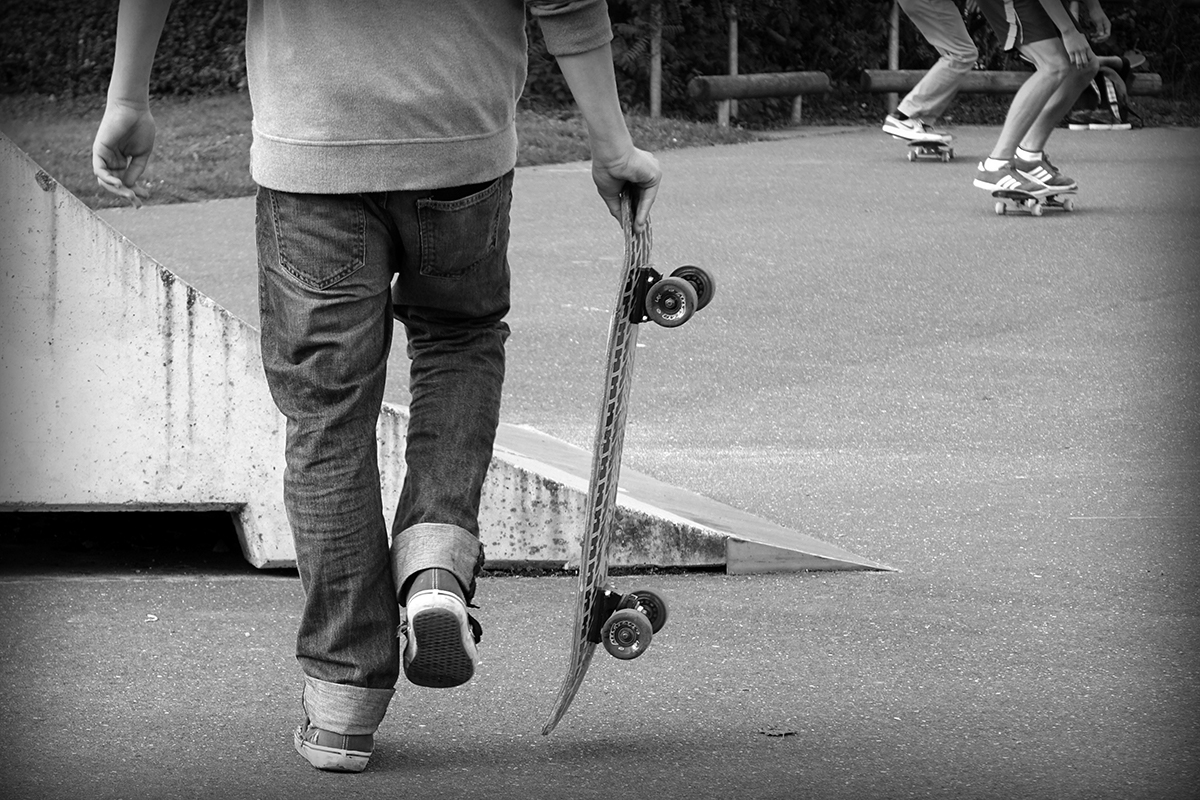
No, 30 is definitely not too old to start skateboarding.
In fact, your 30s can be a great time to finally step on a skateboard and learn something you may have wanted to try for years. Maybe you never had the opportunity to skate when you were younger, or perhaps life simply took you in a different direction. Now you’re wondering if you waited too long.
You haven’t.
Starting skateboarding at 30 may be a little different than starting at 13, but that doesn’t mean you can’t learn. With some patience, the right equipment, and consistent practice, you can learn to balance, push, turn, stop, cruise comfortably, and eventually even work your way toward tricks if that’s your goal.
Table of Contents
- Is It Okay to Start Skateboarding at 30?
- Is Skateboarding Hard to Learn as an Adult?
- How Should You Start Skateboarding at 30?
- What’s the Average Age of a Skateboarder?
- The Advantages of Learning to Skateboard in Your 30s
- Don’t Make Your First Goal an Ollie
- So, Is 30 Too Old to Start Skateboarding?
- Frequently Asked Questions
- Leave/Read Comments
Is It Okay to Start Skateboarding at 30?
Yes, absolutely.
You don’t need any previous skateboarding experience to start learning at 30. Everyone has to begin somewhere, whether that happens when you’re 10, 20, 30, or even later.
You also don’t have to become a trick skateboarder to enjoy skateboarding. For many adults, simply learning how to balance, push comfortably, make smooth turns, stop safely, and cruise around the neighborhood is more than enough.
In fact, starting in your 30s can have a few advantages. You’re probably more patient than you were as a teenager, more willing to take your time, and less concerned about trying to impress anyone.
Instead of rushing into ollies or kickflips, you can concentrate on building a solid foundation and becoming comfortable on your board.
And if cruising is all you ever want to do, there’s absolutely nothing wrong with that. You’re still skateboarding.
Is Skateboarding Hard to Learn as an Adult?
Skateboarding can be challenging to learn as an adult, but the basic skills are very achievable with regular practice.
When you first step on a skateboard, even standing on the board can feel a little awkward. That’s normal. As you spend more time skating, you’ll gradually become more comfortable balancing, pushing, turning, stopping, and eventually cruising with confidence.
The important thing is to separate learning how to ride a skateboard from learning advanced tricks.
You don’t need to know how to ollie, kickflip, grind, or ride ramps to enjoy skateboarding. Those skills can take considerably more time and practice, and you can always work toward them later if you want.
For a beginner, simply becoming comfortable riding and controlling your skateboard is a great first goal. Take your time, practice consistently, and let your skills develop naturally.
How Should You Start Skateboarding at 30?
The best way to start skateboarding at 30 is to keep things simple and focus on the basics.
Start with a good-quality complete skateboard that feels comfortable and stable. Wear a properly fitted helmet, and consider wrist guards, knee pads, and elbow pads while you’re learning. Then find a smooth, flat area where you can practice without worrying about traffic, hills, or rough pavement.
Before trying to ride any distance, figure out your natural stance and spend some time simply stepping on and off the board. Once that feels comfortable, begin practicing your push, followed by gentle turns and learning how to stop safely.
Keep your first sessions short. Twenty to thirty minutes at a time is plenty while your balance and confidence develop.
Most importantly, don’t worry about tricks yet. Becoming comfortable riding and controlling your skateboard should come first.
Beginner
Skateboarding Tips
Learn More >>
What’s the Average Age of a Skateboarder?
There really isn’t one universally accepted average age for skateboarders.
Skateboarding has traditionally been associated with kids and teenagers, but that doesn’t represent everyone who skates today. Plenty of adults continue skating well into their 30s, 40s, 50s, and beyond, while others are discovering skateboarding for the first time later in life.
And really, the average age shouldn’t matter much if you’re thinking about starting at 30.
Skateboarding doesn’t have an age requirement, and you don’t need to fit into a certain demographic to belong on a skateboard. Whether you’re learning your first push at 12 or 30, everyone starts as a beginner.
What matters more than your age is whether you enjoy skating and want to keep learning.
The Advantages of Learning to Skateboard in Your 30s
Starting skateboarding in your 30s actually comes with some advantages you may not have had when you were younger.
For one, you’re probably more patient than you were at 15. You understand that learning something new takes time, and you’re more likely to focus on the basics instead of trying something you’re not ready for.
You also have a better understanding of risk and can make smarter decisions about where you skate, what you attempt, and when it’s time to call it a day. You may also be in a better position to invest in a quality skateboard and proper protective gear.
There’s usually less pressure to impress anyone, too. You get to decide what kind of skateboarder you want to be.
Maybe that means learning tricks. Maybe it means cruising around the neighborhood, getting outdoors, and finding a fun alternative to your usual workout.
Either way, you’re skating for yourself.
How to set
your Skateboarding Goals
Learn More>>
Don’t Make Your First Goal an Ollie
When you start skateboarding at 30, it can be tempting to immediately start thinking about learning an ollie or other tricks.
But there’s really no reason to rush.
Before worrying about getting your board off the ground, spend some time becoming completely comfortable riding it. Learning good balance, how to push smoothly, make controlled turns, stop safely, and carve are much more important skills for a new skateboarder.
A good progression to follow is:
Balance → Push → Ride → Turn → Stop → Carve → Cruise Confidently → Then Think About Tricks
Once you can comfortably cruise around without constantly thinking about where your feet are or how you’re going to stop, you’ll have a much better foundation for learning an ollie.
And remember, there’s no rule saying you ever have to learn tricks. If cruising around on your skateboard is what you enjoy, that’s more than enough.
How to Learn to Skateboard as an Adult Learn More>>
So, Is 30 Too Old to Start Skateboarding?
No. Thirty isn’t even close to being too old to start skateboarding.
The goal isn’t to catch up with someone who started skating when they were 10. It’s simply to become a little more comfortable and confident on your skateboard each time you ride.
Start with the basics, take your time, and enjoy learning something new. You may be surprised at how quickly skateboarding becomes something you look forward to doing.
Am I Too Old
to Learn
How to Skateboard
Learn More>>
Frequently Asked Questions
Is It Okay to Start Skateboarding at 30?
Yes. Thirty is definitely not too old to start skateboarding. Focus first on basic skills like balancing, pushing, turning, and stopping. Once you’re comfortable riding your skateboard, you can start working toward tricks if you want to.
Is Skateboarding Hard to Learn as an Adult?
Skateboarding does have a learning curve, but adults can absolutely learn the basic skills. Short, consistent practice sessions can help you gradually improve your balance, board control, and confidence without feeling like you have to rush your progress.
What’s the Average Age of a Skateboarder?
There isn’t one universally accepted current average age for skateboarders. Skateboarding includes kids, teenagers, and adults of all ages. You don’t need to fit into a particular age group to start skateboarding or enjoy being on a board.