
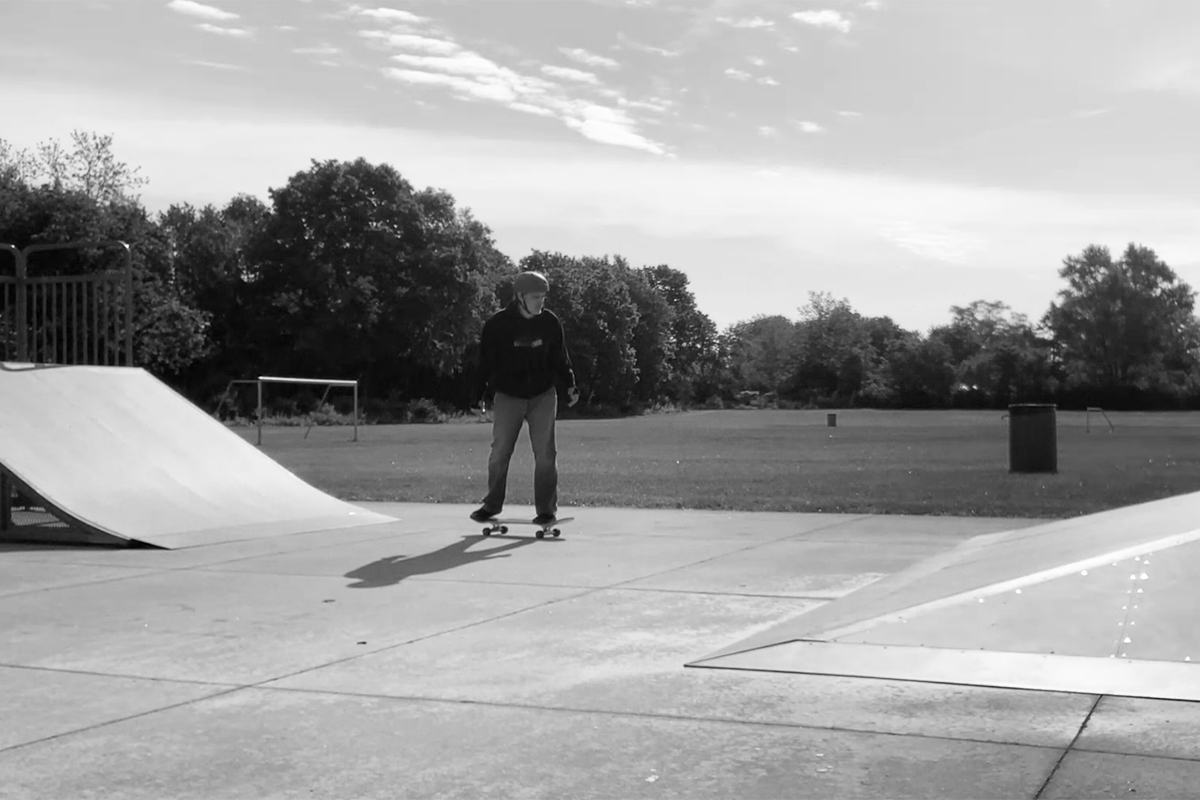
I started skateboarding when I was around 12 years old and continued skating throughout most of my teenage years. Like a lot of skateboarders, though, life eventually moved in other directions. By the time I was around 18, I had pretty much stopped skating altogether.
More than 30 years later, I found myself getting back on a skateboard.
Today, at 54, I’m not trying to skate like I did when I was a teenager. These days, I try to make it out to my local skatepark a few times a month, skate at my own pace, and simply enjoy being on a board again. I’m definitely more cautious than I used to be and more aware of my limits when I’m skating.
But one thing surprised me when I started skating again: it was still fun.
There’s something about stepping onto a skateboard, pushing off, rolling across smooth concrete, and spending time at the skatepark again that brings back a feeling I remember from when I was much younger.
That got me thinking: Why does skateboarding still feel so much fun as an adult, even after being away from it for more than three decades?
As the founder of Skateboardin.com and someone experiencing this firsthand, I wanted to share a little of my own journey back into skateboarding — and why I think that feeling never really goes away.
Getting Back on a Skateboard
My return to skateboarding actually started because of my daughter. In 2021, when she was 14, she started showing an interest in skateboarding and asked me to teach her some of the basics. We visited a local skate shop together and picked out a deck, trucks, wheels, and the other gear she needed to put together a good beginner setup.
Helping her learn also gave me an excuse to step back onto a skateboard myself. At first, I would ride her board or pull out the skateboard I had kept since I was around 18 years old — an old-school G&S Neil Blender setup from my teenage years. After being away from skating for more than 30 years, it was surprising how familiar simply standing on a board and rolling around still felt.
A few months later, with my 50th birthday approaching, I decided it was time to invest in a new skateboard of my own. I went back to the skate shop and explained that I was returning to skateboarding after a very long break. Rather than trying to recreate the setup I rode as a teenager, I asked them to help me put together something that suited my age, abilities, and the type of skating I wanted to do.
I ended up going with a larger 8.5-inch wide by 32.5-inch deck — a Krooked Mark Gonzales signature board. There was something fitting about that choice. Mark Gonzales was one of the professional skateboarders I followed when I was a teenager, but I’ll get more into that later.
Buying that board was really the point when I felt committed to skateboarding again. I started visiting my local skatepark regularly, and when I traveled, I would sometimes take my skateboard along so I could check out other parks along the way.
I never returned with the expectation that I was going to skate at the same level I did as a teenager. My approach today is much different. I primarily enjoy skating transitions, working on my turns and balance, and becoming more comfortable on the board. Every once in a while, especially when I have my helmet and wrist guards on, I’ll practice dropping in on ramps or work on basic ground tricks and variations of ollies.
I’m in no rush to do anything extreme or crazy. I’m genuinely enjoying the process for what it is. Every trip to the skatepark doesn’t have to result in learning a new trick or pushing myself beyond my limits.
For me, just being in my 50s and still able to get on a skateboard, roll around a park, and feel that adrenaline again is an accomplishment in itself. I’m grateful that skateboarding found its way back into my life — even if it took more than 30 years to get there.
How to Get Back
into Skateboarding
Learn More>>
Why It Still Feels Like Skateboarding
Even though the way I skate has changed, the feeling I get from skateboarding really hasn’t. There’s still something about pushing off, picking up speed, carving through a transition, and hearing the wheels rolling across smooth concrete that simply feels good.
I also appreciate the smaller accomplishments much more now. A smooth run through the park, making a turn exactly the way I wanted, feeling more balanced on the board, or landing something I’ve been practicing can make the entire session worthwhile.
There’s less pressure now, too. I’m not trying to keep up with anyone or prove how good I can skate. I can spend 30 minutes at the park or stay much longer if I’m having a good session. I skate what feels comfortable, challenge myself when I’m feeling confident, and call it a day when I’ve had enough.
Maybe that’s one of the reasons skateboarding still feels so fun to me as an adult. The tricks, expectations, and way I approach skating may be different, but that simple feeling of rolling around on a skateboard and enjoying the moment is still there.
How to set
your Skateboarding Goals
Learn More>>
Following The Gonz — Then and Now
When I was a teenager skating in the mid-to-late 1980s, there was obviously no YouTube or social media to follow your favorite skateboarders. For me, magazines like Thrasher and Transworld Skateboarding were a big part of keeping up with what was happening in skateboarding and seeing what the pros were doing.
One of the skateboarders I followed closely was Mark Gonzales, better known simply as “The Gonz.”
Around this same time, street skateboarding was really beginning to develop into its own discipline. Early contests were often referred to as “Streetstyle,” and skaters like Gonz and Tommy Guerrero were among the first pros becoming known specifically for what they could do on street terrain.
The video below takes things all the way back to 1985, when Gonz competed in a Streetstyle contest in Oceanside, California. Before going on to win the event, a young Gonz was asked a simple question: What defines street skating?
Watching footage like this today brings back a lot of memories for me. Gonz wasn’t just technically talented; there was something different about the way he approached skateboarding. He was creative and seemed to look at everyday surroundings differently, finding things to skate that other people might simply walk past. That creativity would eventually help make him one of the most influential figures in modern street skateboarding.
What’s especially interesting to me now is that more than four decades later, Gonz is still skating.
The video below, “Ol’ Dirty Bastard,” gives you a much more recent look at Gonz on a skateboard. What stands out to me isn’t his age or whether he’s skating the same way he did in the 1980s. It’s the creativity and enjoyment that are still there. He’s still approaching skateboarding in his own way, which is one of the things that made him so interesting to watch in the first place.
When I was a teenager, I was following his career through skateboard magazines. Today, I’m in my 50s, back on a skateboard myself, and I can pull up a video and watch the same skateboarder I followed back then still rolling, experimenting, and having fun.
There’s something about that connection that fits perfectly with why I started writing this article in the first place. Skateboarding changes as we get older, and the way we approach it may change too, but the enjoyment of riding a skateboard doesn’t necessarily have to change with it.
Mistakes Adults Make When They Return
to Skateboarding
Learn More >>
The Fun of Skateboarding Doesn’t Have an Age Limit
Mark Gonzales is an exceptional example of someone who has kept his connection to skateboarding for decades, but he’s certainly not the only skater showing that the enjoyment and drive to progress can continue well into adulthood.
Recently, I had the opportunity to share the story of Erick Melino, a 33-year-old skateboarder from Brazil who reached out to Skateboardin.com after putting together his video part, “30+.” Erick has an impressive skateboarding background of his own, including success in competitions over the years, and he continues to push his skating today.
What stood out to me about Erick wasn’t simply that he’s still skating at 33. It was the enthusiasm he has for skateboarding and his desire to keep progressing. After years of skating and competing, he’s still challenging himself, filming new footage, and enjoying the experience of being on a skateboard.
His “30+” video is a good example of that. It shows that there’s still plenty of room to progress as an adult skateboarder.
Erick’s story is another reminder that there’s no set timeline for skateboarding. Whether it’s competing, filming a new video part, learning something new, or simply continuing to do something you love, skateboarding gives you plenty of reasons to keep going.
So, Why Does Skateboarding Still Feel Fun as an Adult?
After getting back into skateboarding, I’ve realized that I probably don’t need to overthink why I still enjoy it. I just do.
When I go to the skatepark, I’m doing something I’ve enjoyed since I was a kid. I’m outside, I’m moving, I’m challenging myself a little, and for however long I’m there, my attention is on skating.
There’s definitely some nostalgia involved, especially after being away from skateboarding for more than 30 years. But it doesn’t feel like I’m trying to relive my teenage years. I’m enjoying skateboarding for where I am in life right now.
Maybe that’s really the answer. Skateboarding still feels fun because it never stopped being fun. I just stopped doing it for a while.
It’s Never Too Late to Have Fun on a Skateboard
If you used to skateboard and have been thinking about getting back into it, you don’t have to pick up exactly where you left off. After 10, 20, or even 30 years away, take your time and discover what you enjoy about skateboarding now. It might be different from what you enjoyed years ago, and that’s perfectly fine.
And if you’ve never skateboarded before, there’s no rule saying you had to start when you were a kid. Adults are learning to skate in their 30s, 40s, 50s, and beyond. You don’t have to learn every trick or become the best skater at the park to have a good time.
Start with the basics, skate within your abilities, wear the protective gear you’re comfortable with, and don’t worry about what everyone else is doing. The whole point is to get on the board and enjoy yourself.
For me, getting back on a skateboard after more than 30 years is something I’m really glad I did. I may skate differently than I did as a teenager, but I’m still riding, still learning, and most importantly, I’m still having fun.
So whether you’re thinking about returning to skateboarding or stepping onto a board for the first time, give it a try. You might just find that you’re not too old for skateboarding — maybe now is simply the right time to start, or start again.
Am I Too Old
to Learn
How to Skateboard
Learn More>>
Author Bio: Tito is the founder of Skateboardin.com and a longtime skateboarder who first started skating as a teenager in the 1980s. After more than 30 years away from skateboarding, he returned to it around age 50 and continues skating today in his 50s. Through Skateboardin.com, he shares his experiences, tips, and encouragement for adults who want to start skateboarding or rediscover the fun of skating later in life.